
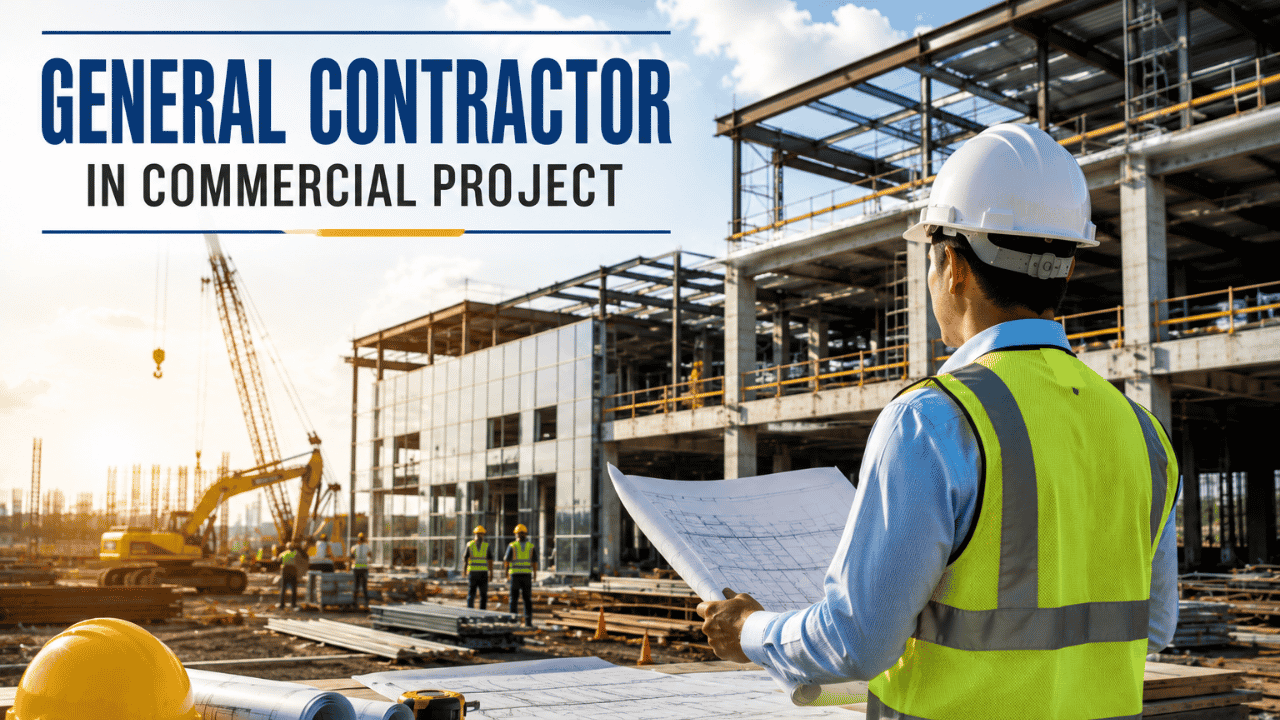
When people hear “general contractor,” they often picture someone standing on a job site giving orders. In reality, a general contractor’s role is far broader — and far more critical to a project’s success — than most property owners realize. From the very first planning conversation to the final walkthrough, the general contractor (GC) is the person responsible for turning a vision into a finished, functional space.
So what does a general contractor actually do? Whether you’re building a new commercial property, renovating an office, or constructing a custom home, understanding the GC’s role helps you know what to expect, what questions to ask, and how to evaluate whether you’re working with the right team.
Below, we’ll break down exactly what a commercial general contractor does, how the role differs slightly between commercial and residential projects, and what Florida-specific responsibilities come into play.
Key Points Before We Dive In
- A general contractor is the single point of accountability for a project — coordinating everyone from architects to subcontractors to inspectors.
- The GC’s job starts long before construction begins, often during planning, budgeting, and design.
- Licensing and insurance are non-negotiable — especially in Florida, where building codes are strict due to hurricane risk.
- Commercial projects add layers of complexity, including ADA compliance, occupancy permits, and multi-trade coordination.
- Communication is arguably the GC’s most important skill, even more than technical construction knowledge.
With that context, let’s look at what a general contractor actually does at each stage of a project.
1. Project Planning and Budgeting
Before a single wall goes up, a general contractor’s role begins with planning. This includes:
- Reviewing the client’s vision, goals, and budget
- Developing a detailed scope of work
- Creating a realistic project timeline
- Identifying potential risks or cost factors early
This is one of the most overlooked parts of what a general contractor does in construction. A GC who gets involved early — rather than being brought in only once design is finalized — can often save clients money by flagging budget or code issues before they become expensive problems.
If you’re planning a new build or renovation, it’s worth reading our guide on how to plan a construction project to understand how planning and contractor selection go hand in hand.
2. Coordinating Architects, Engineers, and Designers
A commercial general contractor rarely works alone. Most projects involve architects, structural engineers, interior designers, and sometimes specialty consultants. Part of the GC’s role is making sure all of these parties are aligned — that the architectural plans are structurally sound, code-compliant, and realistic to build within budget.
This coordination role is especially important for commercial projects, where design decisions affect not just aesthetics but also functionality, code compliance, and long-term operating costs. A strong general contractor acts as the translator between the design vision and the practical realities of construction.
When engineering or architectural plans are required, our team coordinates directly with the appropriate design professionals to help keep the project moving efficiently. By maintaining open communication between all parties, we help ensure the design, budget, and construction schedule remain aligned throughout the project.
3. Permitting and Code Compliance
One of the most important — and least visible — parts of what a general contractor does in Florida is managing permits and code compliance. Florida has some of the strictest building codes in the country, largely due to hurricane risk, and commercial projects often require additional layers of approval, such as:
- Occupancy permits
- ADA (Americans with Disabilities Act) compliance
- Fire and life-safety code approvals
- Local zoning and municipal sign-off
A general contractor is responsible for making sure every phase of the project meets these requirements — not just to avoid legal issues, but to protect the safety of everyone who will eventually use the building. This is one of the clearest reasons why hiring a licensed, experienced commercial construction contractor matters so much.
4. Managing Subcontractors and the Construction Schedule
Once construction begins, the general contractor’s role shifts into active project management. This includes:
- Hiring and supervising subcontractors (electricians, plumbers, HVAC teams, framers, etc.)
- Scheduling each trade so work happens in the right sequence
- Conducting quality checks at each phase
- Solving problems on the fly — because unexpected issues almost always come up
This is really the heart of what a general contractor does when building a house or commercial property: they make sure dozens of moving parts happen in the right order, at the right quality level, without delays cascading through the schedule.
For commercial projects specifically, this often means coordinating around business operations — for example, phasing work in an office remodel so a business can continue operating during construction, or scheduling healthcare construction work around strict cleanliness and safety protocols.
Effective coordination is one of the most valuable services a general contractor provides. Our project management team schedules subcontractors, monitors workmanship, and maintains regular communication with clients to help keep construction progressing safely, efficiently, and according to plan.
5. Budget Oversight and Transparent Communication
A great general contractor doesn’t just manage labor and materials — they manage money and expectations. Throughout the project, the GC should be providing:
- Regular budget updates
- Clear explanations for any change orders
- Honest timelines, including if delays occur and why
- A single point of contact so clients aren’t chasing down answers from multiple subcontractors
This is often what separates a good general contractor from a great one. Technical skill matters, but transparent communication is what keeps clients confident throughout a project that can otherwise feel stressful and unpredictable.
6. Final Inspections, Walkthroughs, and Handoff
The general contractor’s role doesn’t end when construction wraps up. Before a project is considered complete, the GC is responsible for:
- Coordinating final inspections with local building departments
- Walking the property with the client to identify any punch-list items
- Ensuring all finishes and systems match what was agreed upon
- Explaining warranty terms and any follow-up service
A thorough, well-managed final walkthrough is often a strong indicator that the entire project — from planning through construction — was handled with care.
Before turning over a completed project, we conduct a final walkthrough with the client to review the finished work, address any remaining punch-list items, and ensure the completed project reflects the agreed-upon scope and quality expectations.
Commercial vs. Residential: Does the Role Change?
While the core responsibilities of a general contractor are similar across residential and commercial projects, commercial work typically adds:
- More complex permitting and code requirements
- Multiple stakeholders (property managers, business owners, sometimes multiple tenants)
- Stricter timelines tied to business operations or lease requirements
- Specialized trades depending on the property type (healthcare, retail, multifamily, etc.)
Whether it’s a home renovation or a multifamily development, the underlying job is the same: one accountable party making sure the project is planned properly, built correctly, and delivered on time.
Conclusion
At its core, the role of a general contractor is to be the single point of accountability for a construction project — from the very first planning conversation through the final walkthrough. A good GC plans carefully, coordinates every trade and consultant involved, navigates permitting and code compliance, manages budgets transparently, and keeps clients informed every step of the way.
For commercial projects especially, that role becomes even more critical, since the stakes — code compliance, business continuity, and stakeholder expectations — are higher. Choosing a licensed, experienced general contractor isn’t just about who can swing a hammer; it’s about who can manage the entire process with skill, transparency, and accountability.
Whether you’re planning a commercial build, office remodel, tenant improvement, or renovation in Florida, choosing the right general contractor is one of the most important decisions you’ll make. At Man Made Builders, we’re committed to guiding our clients through every phase of the construction process with careful planning, clear communication, and quality workmanship. Contact us today to schedule a free consultation and learn how we can help bring your project from vision to completion.
Frequently Asked Questions
1. What does a general contractor do on a daily basis?
On any given day, a general contractor might be coordinating subcontractors, checking work quality, communicating with clients about budget or timeline, resolving unexpected site issues, and coordinating inspections — all to keep the project moving on schedule.
2. What is the difference between a general contractor and a subcontractor?
A general contractor manages the entire project and is the main point of contact for the client. Subcontractors are specialists (electricians, plumbers, HVAC technicians, etc.) hired and supervised by the general contractor to complete specific parts of the work.
3. Do I need a general contractor for a small renovation?
For minor cosmetic updates, you may not need a full GC. But for anything involving structural changes, permits, or multiple trades, a licensed general contractor helps ensure the work is done safely, legally, and to code. A general contractor also coordinates the different trades, inspections, and scheduling required to keep the project moving efficiently.
4. What does a general contractor do in Florida specifically?
In Florida, general contractors must navigate strict hurricane-resistant building codes, local permitting processes, and — for commercial projects — additional requirements like ADA compliance and occupancy permits.
5. How do I know if a general contractor is qualified for a commercial project?
Look for a valid Florida contractor’s license, insurance coverage, a strong portfolio of similar commercial projects, and clear, transparent communication from the first consultation onward. It’s also important to choose a contractor who provides a detailed scope of work, communicates regularly throughout the project, and has experience managing projects similar in size and complexity to yours.