
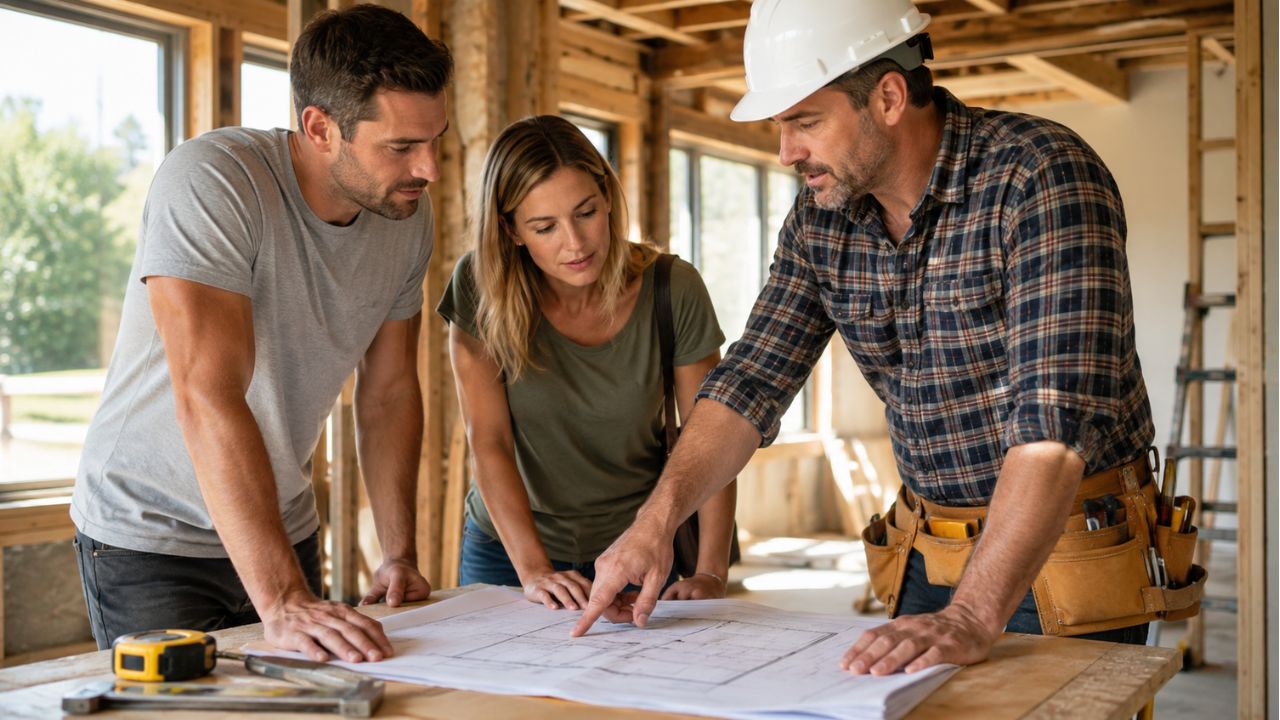
Hiring a general contractor is one of the biggest decisions you’ll make during a construction or renovation project. Get it right, and you end up with a smooth process, a fair price, and a finished space you love. Get it wrong, and you could be looking at blown budgets, missed deadlines, and endless frustration.
The problem is, most homeowners and business owners don’t know what to ask a contractor before hiring one. Everyone sounds professional in the first meeting — but the right questions reveal who actually delivers.
Below are the 10 questions to ask a general contractor before you sign anything, plus what kind of answers should give you confidence (or raise a red flag).
Key Points Before You Start Asking
- Licensing and insurance are non-negotiable especially in Florida where building codes are strict.
- A trustworthy contractor welcomes questions, hesitation or vague answers are a warning sign.
- References and past work matter more than a polished sales pitch.
- Clear, written communication about cost and timeline is one of the strongest indicators of a reliable contractor.
- The right contractor treats your project like their own reputation is on the line — because it is.
With that in mind, here are the questions that matter most.
1. Are You Licensed and Insured?
This is the first and most important question to ask a building contractor, full stop. In Florida, contractors are required to hold a valid license for the type of work they perform, along with liability insurance and workers’ compensation coverage. Ask to see the license number and verify it directly through the Florida Department of Business and Professional Regulation (DBPR). If a contractor hesitates or can’t provide this information immediately, walk away.
2. How Long Have You Been in Business?
Longevity isn’t everything, but it tells you something. A contractor who’s been operating for a decade or more has weathered slow seasons, difficult clients, and changing codes — and is still standing. Ask how long they’ve specifically worked in your project type, whether that’s kitchen remodeling, commercial construction, or ground-up residential builds.
3. Can I See Examples of Similar Projects You’ve Completed?
One of the most telling questions to ask a contractor is to see their actual portfolio — not just photos, but details about scope, budget, and timeline for similar work. If you’re planning an office remodel, ask specifically for examples of commercial work, not just residential kitchens. A contractor with relevant, comparable experience is far less likely to run into surprises on your project.
4. Can You Provide References From Recent Clients?
Photos can be staged. Reviews can be selective. A direct conversation with a recent client tells you things a portfolio never will — how the contractor communicated during problems, whether the final price matched the original estimate, and whether the client would hire them again. Don’t just accept a list of names; actually call two or three references and ask pointed questions about their experience.
5. Who Will Be My Main Point of Contact?
On larger projects, it’s easy for communication to get lost between the contractor, project manager, and subcontractors. Ask upfront who your single point of contact will be throughout the project. A contractor who can’t clearly answer this question may leave you chasing down updates from multiple people once construction begins.
6. What’s Included in Your Written Estimate?
This is one of the most important questions for hiring a contractor, because vague estimates are where budgets go to die. Ask for a detailed, itemized breakdown — materials, labor, permits, and a contingency line for unexpected issues. If an estimate feels suspiciously low compared to others you’ve received, that’s usually a sign something is missing, not a sign you found a great deal.
7. How Do You Handle Change Orders?
Almost every project encounters some kind of change along the way — a material substitution, an unexpected condition behind a wall, or a client-requested upgrade. Ask specifically how change orders are documented and approved. A trustworthy contractor will require written sign-off on any cost or scope change before the work happens, not a surprise line item on your final invoice.
8. What Does the Project Timeline Look Like, and What Could Delay It?
Ask for a realistic timeline with key milestones, not just a start and end date. Then ask what factors could realistically cause delays — permitting, material lead times, weather, or inspection scheduling. A contractor who’s upfront about potential delays is more trustworthy than one who promises everything will go perfectly, because in construction, it rarely does.
9. How Do You Handle Permits and Inspections?
In Florida, permitting is a serious part of the process — especially for healthcare construction or larger commercial projects, where occupancy permits and code compliance carry real weight. Ask whether the contractor pulls permits themselves and manages the inspection schedule, or whether that responsibility falls on you. This should always be handled by the contractor, not left for the client to navigate alone.
10. What Happens If Something Goes Wrong?
No project is completely immune to surprises. Ask directly how the contractor handles disputes, defects discovered after completion, or warranty claims. A contractor who has a clear, documented process for addressing problems — rather than a vague “we’ll take care of it” — is one who takes accountability seriously.
Red Flags to Watch For While Asking These Questions
Beyond listening for good answers, it’s worth paying attention to how a contractor reacts to being asked at all. A few warning signs to keep in mind:
- Pressure to sign quickly- without time to review the contract or compare other bids.
- Requests for large cash payments- upfront, or reluctance to put pricing in writing.
- Vague or evasive answers- about licensing, insurance, or past projects.
- No local references- or an unwillingness to let you contact past clients directly.
- Unusually low bids- compared to every other quote you’ve received, often a sign of corners being cut somewhere.
A contractor who welcomes these questions, answers them directly, and puts everything in writing is showing you exactly how they’ll handle the rest of your project — with transparency and accountability.
Conclusion
Knowing what to ask your contractor before signing a contract is one of the best ways to protect your budget, your timeline, and your peace of mind. Licensing, past work, references, clear communication about cost and change orders, and a documented process for handling problems — these are the things that separate a contractor who talks a good game from one who actually delivers.
Whether you’re planning a home renovation, a bathroom remodel, or a full commercial build, taking the time to ask these 10 questions upfront will save you from costly surprises down the road.
Ready to start the conversation? Explore our completed projects or request a free consultation with a team that welcomes every one of these questions.