
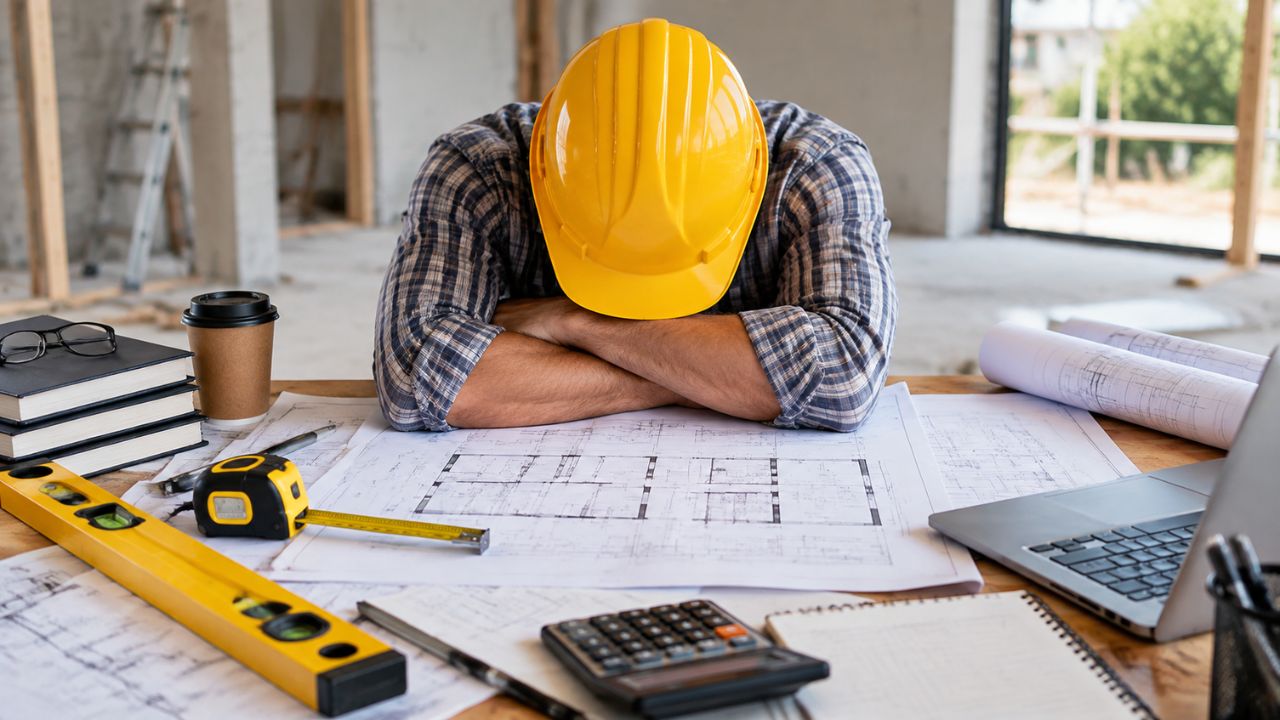
Construction projects rarely fail because of one big disaster. Most of the time, they go off track because of small planning gaps that pile up over weeks and months. A missed permit here, a rushed estimate there, and soon a simple build turns into a stressful one. Working with experienced construction contractors from the very start helps catch these building construction mistakes early, before they turn into expensive problems. In this blog, we break down the 15 most common construction mistakes seen in planning, budgeting, contracts, and site management, and share simple ways to avoid each one.
1. Rushing the Pre-Construction Phase
Many owners want to start building right away and treat pre-construction as a waste of time. But this is the stage where feasibility, design, and cost estimates come together. Skipping it usually means costly mistakes show up once real construction begins.
Why it causes problems: Without a solid pre-construction phase, teams move into the build with an unclear scope and unverified numbers. This leads to design changes mid-project, which drives up costs and pushes the timeline back.
How to avoid it: Give the pre-construction phase the time it needs. Finalize drawings, confirm the scope, and complete a proper feasibility review before any ground is broken.
2. Settling for the First Estimate
Getting excited about a project can lead owners to accept the first estimate they receive without comparing it to others. This is one of the most common construction mistakes because early estimates are often optimistic and miss hidden costs that surface later.
Why it causes problems: A single estimate gives you no way to spot gaps or overpricing. Hidden costs that were left out often show up mid-project, forcing the budget to stretch far beyond what was originally planned.
How to avoid it: Collect a few detailed estimates and compare them on scope, materials, and timeline, not just price. This gives you a realistic middle ground instead of a number built on wishful thinking.
3. Choosing a Contractor Based on Price Alone
Picking the lowest bid feels like a smart financial decision, but it is one of the most damaging common construction mistakes in the industry. A cheap price often means weaker materials, less experienced crews, or corners cut on safety.
Why it causes problems: Low-cost work often needs to be redone, and repairs end up costing more than hiring a qualified contractor in the first place. Poor workmanship can also create safety risks and delay the entire project.
How to avoid it: Look at a contractor’s licensing, insurance, past projects, and reputation, not just their quote. Reviewing questions to ask a general contractor before signing anything can help you spot warning signs early.
4. Underestimating the Budget
A budget built on rough guesses instead of real numbers rarely survives contact with an actual project. Owners often forget to include overhead costs, permit fees, and price changes in materials, which leaves the budget short.
Why it causes problems: A tight budget with no room for error forces teams to cut corners or pause work once funds run low. This often leads to disputes with contractors and delays while additional financing is arranged.
How to avoid it: Base your budget on current market prices and always build in a contingency fund of about 7 to 10 percent for unplanned costs. Review the budget at each stage so surprises stay small.
5. Using Outdated Material Pricing
Material costs shift often, and a quote from a few months ago may no longer be accurate. Teams that rely on old pricing frequently end up spending more than they planned once actual purchasing begins.
Why it causes problems: When actual material costs come in higher than estimated, profit margins shrink and budgets fall short. This can force last-minute substitutions or delays while funds are reallocated.
How to avoid it: Confirm supplier pricing close to the time of purchase and update your cost estimates regularly throughout the project, especially for materials with volatile pricing like lumber and steel.
6. Forgetting Permits and Building Codes
Skipping or delaying permits is a fast way to face fines, stop-work orders, or a full project shutdown. Building codes also vary by location, and ignoring local requirements can force teams to redo completed work.
Why it causes problems: Unpermitted work can void insurance coverage and create legal complications if the project is ever inspected, sold, or reviewed later. Fixing code violations after the fact is far more expensive than getting it right the first time.
How to avoid it: Confirm every required permit and code requirement with your local building authority before construction begins. A reliable commercial construction company will already know the local rules and can help keep the project fully compliant.
7. Signing Weak or Unclear Contracts
Construction contract pitfalls and how to avoid them is something every owner should understand before signing on the dotted line. Vague scope descriptions, missing payment terms, and unclear timelines are common causes of disputes once work is underway.
Why it causes problems: When a contract leaves details open to interpretation, owners and contractors often disagree on what was actually promised. These disagreements can stall work, and in some cases, lead to legal disputes that drag on for months.
How to avoid it: Make sure the contract spells out the scope of work, payment schedule, change order process, and completion date. Having it reviewed before signing prevents misunderstandings that are far harder to fix later.
8. Poor Communication Among Stakeholders
Owners, architects, engineers, and contractors all need to stay on the same page, but scattered updates through texts, emails, and phone calls create gaps. This is one of the most frequent construction management issues on active job sites.
Why it causes problems: When updates are spread across too many channels, important details get missed or misunderstood. Crews end up working from outdated information, which leads to rework and wasted time waiting for clarification.
How to avoid it: Set up one shared channel or project management tool for updates, questions, and approvals. Keeping communication centralized reduces confusion and helps small issues get resolved before they grow.
9. Setting Unrealistic Timelines
Owners often want their project finished as fast as possible, but timelines that ignore weather delays, inspections, and material lead times rarely hold up. Constantly pushing back completion dates is usually a sign of poor planning from the start.
Why it causes problems: Rushed schedules push crews to cut corners just to hit a date, which often lowers quality and increases safety risks. Repeated delays also strain the relationship between owners and contractors.
How to avoid it: Build a schedule with realistic buffer time based on input from your contractor. A slightly longer timeline is always better than rushed work that has to be redone.
10. Overlooking Site and Soil Conditions
Every site has its own quirks, and skipping a proper site or soil evaluation can affect the entire structure. Poor drainage, weak soil, or hidden utilities often surface only after construction has already started.
Why it causes problems: Unstable soil or hidden site conditions discovered mid-project can force a complete redesign of the foundation. This adds significant cost and can delay the schedule by weeks or months.
How to avoid it: Schedule a geotechnical survey and site inspection before finalizing your design. This helps engineers choose the right foundation and avoid expensive changes mid-project.
11. Not Planning for Contingencies
Risks are a normal part of every construction project, yet many teams get caught off guard because they never planned for the unexpected. Weather delays, supply chain issues, and design changes can all throw a project off course without a backup plan.
Why it causes problems: Without a contingency plan, every unexpected issue becomes a scramble instead of a manageable setback. This reactive approach almost always leads to rushed decisions, higher costs, and longer delays.
How to avoid it: Identify potential risks early and revisit them throughout the project, not just during initial planning. Having a contingency plan in place makes it much easier to respond calmly instead of scrambling.
12. Performing Tasks Out of Sequence
Sometimes teams complete work in the wrong order, such as closing up walls before wiring is finished. This forces crews to undo completed work, which wastes both materials and time.
Why it causes problems: Undoing completed work means paying for the same task twice and pushing back every phase that comes after it. These delays add up quickly and can throw off the entire project schedule.
How to avoid it: Build a clear sequence of tasks into your schedule and confirm dependencies between trades before work begins. A well-planned sequence keeps every crew working at the right time.
13. Ignoring Safety Planning
Safety issues rarely come from one big failure. They usually build up gradually when checks are skipped because a schedule feels tight or inspections are not documented properly. Over time, this turns safety into a reactive concern instead of a planned part of the project.
Why it causes problems: A single safety incident can halt work entirely, trigger investigations, and raise insurance costs for the rest of the project. It also affects worker morale, which can slow down productivity across the whole site.
How to avoid it: Build regular safety checks and documentation into daily operations from the start. Treating safety as part of everyday planning, not an afterthought, keeps both workers and the schedule protected.
14. Neglecting Quality Control Checks
Quality problems often go unnoticed early on, only to surface near the end of a project when fixes are more disruptive and costly. Inconsistent inspections allow small defects to slip through unnoticed.
Why it causes problems: Fixing quality issues near closeout is far more expensive and disruptive than catching them early. It can also delay handover and strain trust between owners and contractors.
How to avoid it: Build quality checks into your daily workflow instead of treating them as a final step. Working with top general contractors who follow consistent inspection standards makes it easier to catch issues while they are still small and simple to fix.
15. Not Reviewing Past Projects
Many teams move from one project to the next without ever comparing estimated costs and timelines to actual results. This is a missed opportunity, since it prevents teams from noticing repeat construction management issues and fixing them for the next build.
Why it causes problems: Without reviewing past performance, the same common construction mistakes tend to repeat project after project. This keeps costs and delays higher than they need to be over the long run.
How to avoid it: After each project, compare planned numbers against actual costs and timelines. Use these insights to refine your planning process so the same mistakes are less likely to happen again.
Conclusion
Most building construction mistakes come down to the same root causes: rushed planning, unclear communication, and not preparing for the unexpected. By slowing down during pre-construction, choosing the right team, and building realistic budgets and timelines, you can avoid the common construction mistakes that derail so many projects. Whether you are starting new construction or planning a home renovation, a little extra planning at the start saves a lot of stress later. Careful, informed planning is what turns a stressful build into a smooth, successful one.
Frequently Asked Questions
1. What is the most common mistake in construction planning?
Rushing through the pre-construction phase is one of the most common mistakes. Skipping detailed planning, feasibility studies, and finalized drawings almost always leads to problems once actual construction begins.
2. How can I avoid budget overruns during construction?
Base your budget on current market prices, include a contingency fund of about 7 to 10 percent, and review costs regularly at each stage of the project. This helps catch overruns early instead of at the end.
3. Why is choosing a contractor based on price alone risky?
The lowest bid often means weaker materials, less experienced labor, or safety shortcuts, which usually lead to higher repair costs later. It is better to compare contractors on licensing, experience, and reputation as well as price.
4. What are some common construction contract pitfalls?
Vague scope descriptions, missing payment schedules, and unclear timelines are common construction contract pitfalls that lead to disputes. A clear, detailed contract reviewed before signing helps avoid these issues.
5. How do construction management issues affect a project’s timeline?
Poor communication, delayed approvals, and unclear task sequencing are common construction management issues that slow down progress. Centralizing communication and planning task order in advance helps keep the schedule on track.